
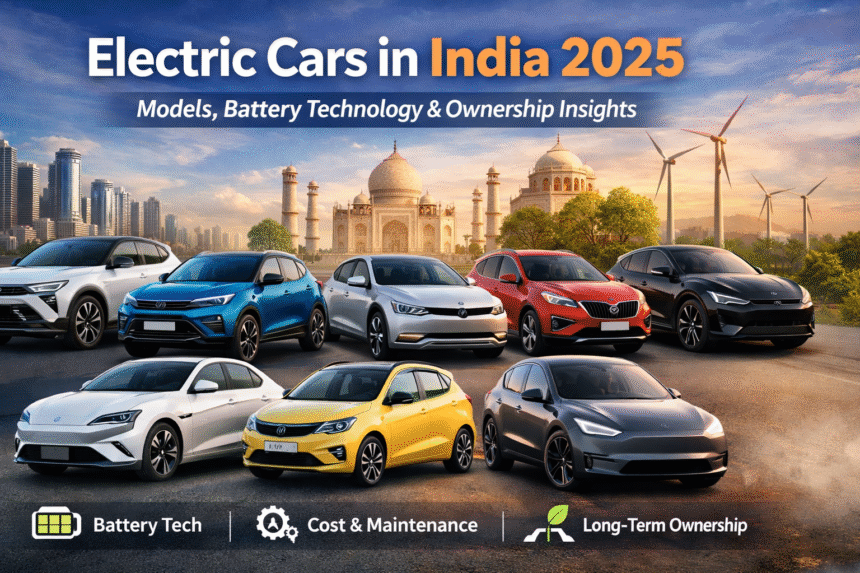
India’s electric passenger vehicle (EV) market has entered a more mature phase. What was once a niche segment driven by early adopters is now shaped by mainstream buyers, OEM platform strategies, and—crucially—battery technology choices. In 2025, understanding an EV in India is less about headline range and more about battery chemistry, sourcing, safety, degradation, and ownership economics.
- The Indian EV market: three clear segments
- 1. Urban and entry-level EVs
- 2. Mass-market electric SUVs
- 3. Premium and global-platform EVs
- 4. Next-generation Indian platforms & larger EVs
- Battery chemistry & sourcing: the hidden differentiator
- Why battery chemistry matters for Indian ownership
- 1. Safety and thermal stability
- 2. Degradation and long-term value
- 3. Charging behaviour and convenience
- The real cost of EV ownership in India
- What buyers should prioritise in 2025
- The bigger picture
This article provides a research-backed overview of electric cars available in India, integrates battery chemistry and supplier information, and assesses long-term ownership considerations that matter to Indian conditions.
The Indian EV market: three clear segments
1. Urban and entry-level EVs
Designed primarily for city use, these vehicles prioritise affordability and low running costs.
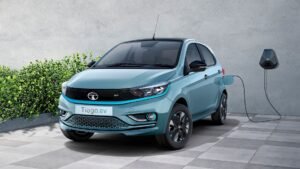
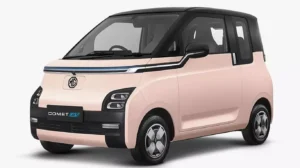
Examples include Tata Tiago.ev, MG Comet EV, and Tata Punch.ev. These cars typically feature smaller battery packs, are optimised for home charging, and work best when daily usage is predictable. Highway use is possible but not their core design intent.
2. Mass-market electric SUVs
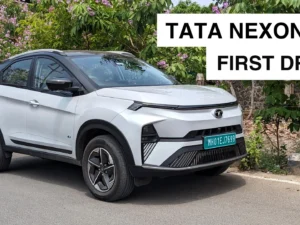
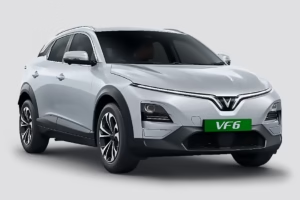
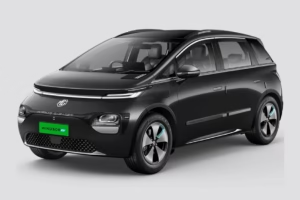
Vehicles such as Tata Nexon.ev, Mahindra XUV400, Tata Curvv EV, MG Windsor EV, and MG ZS EV aim to balance range, pricing, service coverage, and family usability. For many Indian households, this category offers the most practical entry into EV ownership—capable of city driving with occasional inter-city trips. For most Indian buyers, this category represents the sweet spot—usable for both city driving and occasional highway trips, provided charging access is planned.
3. Premium and global-platform EVs
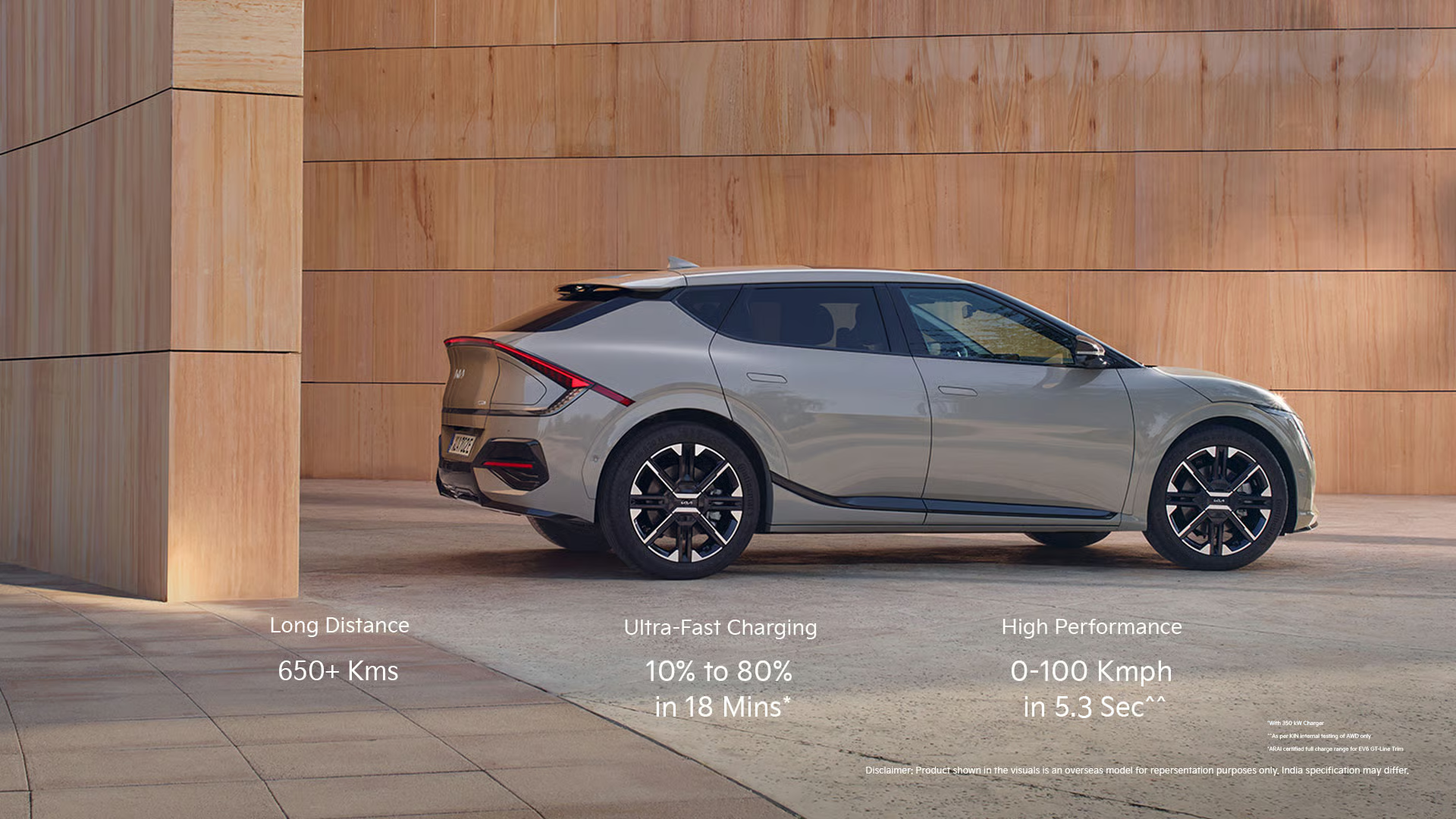
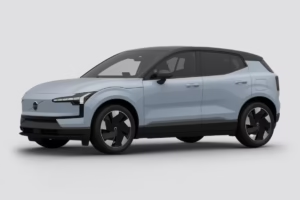
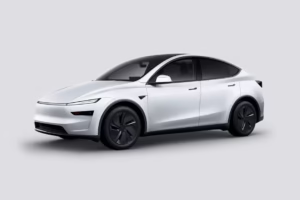
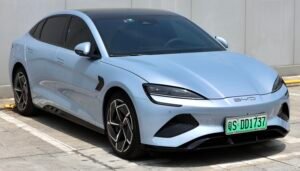
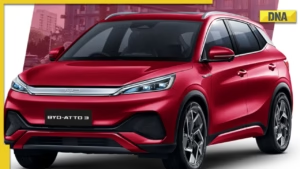
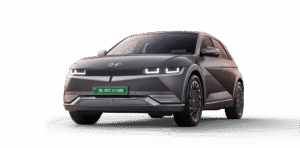
India is now seeing stronger presence from globally developed EV platforms, including Hyundai Ioniq 5, Kia EV6, BYD Atto 3, BYD Seal, Volvo EX30, and even imported Tesla Model Y units. They bring larger batteries, stronger thermal management, and faster charging. These EVs are more tolerant of highway speeds and long-distance travel, but come with higher upfront costs and insurance premiums.
4. Next-generation Indian platforms & larger EVs
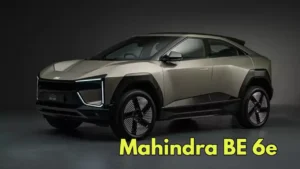
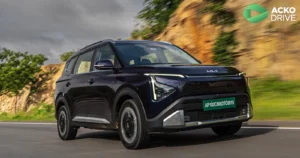
A notable 2025 development is the emergence of new Indian EV architectures, particularly from Mahindra. The Mahindra INGLO platform underpins vehicles such as BE 6 and XEV 9e, while larger electric SUVs like the Tata Harrier EV and Mahindra XEV 9S (three-row format) signal the shift of EVs into mainstream family segments.
Battery chemistry & sourcing: the hidden differentiator
A defining trend in India’s EV market is the shift towards Lithium Iron Phosphate (LFP) batteries, driven by safety, longevity, and cost considerations. Nickel Manganese Cobalt (NMC) batteries continue to be used, especially in premium imports, but LFP is increasingly favoured for Indian conditions.
| Car Model | Manufacturer | Battery Chemistry | Battery Source / Supplier | Key Notes |
|---|---|---|---|---|
| Mahindra BE 6 | Mahindra & Mahindra | LFP (Blade-type) | BYD | 59 kWh / 79 kWh packs; BYD Blade cells, locally assembled |
| Mahindra XEV 9e | Mahindra & Mahindra | LFP (Blade-type) | BYD | Shares INGLO platform with BE 6 |
| Mahindra XEV 9S | Mahindra & Mahindra | LFP | BYD | Larger 3-row EV SUV |
| Tata Nexon.ev | Tata Motors | NMC / mixed Li-ion | Tata AutoComp, Gotion, Octillion | Multiple suppliers across variants |
| Tata Curvv EV | Tata Motors | LFP | Octillion / Gotion | Clear move toward safer chemistry |
| Tata Harrier EV | Tata Motors | Li-ion (likely NMC-dominant) | Tata partners | Premium SUV platform |
| Tata Tiago.ev | Tata Motors | Li-ion (LFP/NMC mix) | Tata AutoComp / partners | Entry-level focus |
| Tata Punch.ev | Tata Motors | Li-ion (likely LFP) | Tata AutoComp / partners | Urban + light highway use |
| MG Comet EV | MG Motor India | Li-ion (likely NMC) | Undisclosed | Small urban EV |
| MG Windsor EV | MG Motor India | Li-ion (likely NMC) | Undisclosed | Mid-range family EV |
| MG ZS EV | MG Motor India | Li-ion (NMC) | Global sourcing | Early premium mass EV |
| BYD Atto 3 | BYD India | LFP (Blade) | BYD | Fully vertically integrated |
| BYD Seal | BYD India | LFP (Blade) | BYD | Sedan-style premium EV |
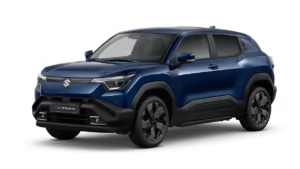
| Maruti e-Vitara | Maruti Suzuki | LFP | BYD (imported pack) | 49 kWh / 61 kWh, fully imported |
| Hyundai Ioniq 5 | Hyundai | NMC | Global sourcing | High-density imported pack |
| Kia EV6 | Kia | NMC | Global sourcing | Premium performance EV |
| Volvo EX30 | Volvo | NMC | Global sourcing | Compact luxury EV |
| Tesla Model Y | Tesla | NMC | Imported | Premium imported EV |
Why battery chemistry matters for Indian ownership
1. Safety and thermal stability
India’s climate—high ambient temperatures, dusty conditions, and stop-go traffic—places stress on EV batteries. LFP batteries are inherently more thermally stable, with lower risk of thermal runaway, making them well-suited for mass adoption.
This is one reason Tata Motors, Mahindra, BYD, and Maruti Suzuki are gravitating toward LFP for future platforms.
2. Degradation and long-term value
Long-term ownership reviews indicate:
- LFP batteries degrade more slowly over high charge cycles
- Real-world users report minimal range loss even after 60,000–80,000 km
- NMC batteries offer higher energy density but may see faster degradation under heat stress
For Indian buyers planning to keep a car for 8–10 years, battery chemistry directly impacts resale value and peace of mind.
3. Charging behaviour and convenience
Smaller LFP packs suit overnight AC charging well, while larger NMC packs benefit from faster DC charging—if such infrastructure is reliably available. In practice, many Indian EV owners rely on home or workplace charging, making charging speed less critical than predictable range and battery health.
The real cost of EV ownership in India
Across segments, long-term EV owners consistently cite:
- Lower running costs (₹0.8–1.2/km for electricity vs ₹6–8/km for petrol/diesel)
- Lower maintenance due to fewer moving parts
- Higher upfront cost, partially offset by state incentives and fuel savings
Battery warranties (typically 8 years / 160,000 km) have reduced anxiety, but informed buyers increasingly evaluate battery chemistry and supplier credibility before purchase.
What buyers should prioritise in 2025
- Urban users: Entry-level EVs with LFP or proven Li-ion packs and reliable home charging
- One-car households: Mid-range electric SUVs with balanced battery size and service coverage
- Frequent highway users: Premium EVs with larger packs, better cooling, and faster DC charging
The bigger picture
India’s EV market is no longer just about adding models—it’s about technology choices that align with local conditions. The growing adoption of LFP batteries, partnerships with global cell manufacturers like BYD, and gradual localisation of battery packs indicate a more resilient EV ecosystem.
For consumers, the next phase of EV adoption will be driven less by hype and more by informed decisions on battery technology, sourcing, and long-term ownership economics.